
Contents
- 🎵 Origins & History
- ⚙️ How It Works
- 📊 Key Facts & Numbers
- 👥 Key People & Organizations
- 🌍 Cultural Impact & Influence
- ⚡ Current State & Latest Developments
- 🤔 Controversies & Debates
- 🔮 Future Outlook & Predictions
- 💡 Practical Applications
- 📚 Related Topics & Deeper Reading
- Frequently Asked Questions
- References
- Related Topics
Overview
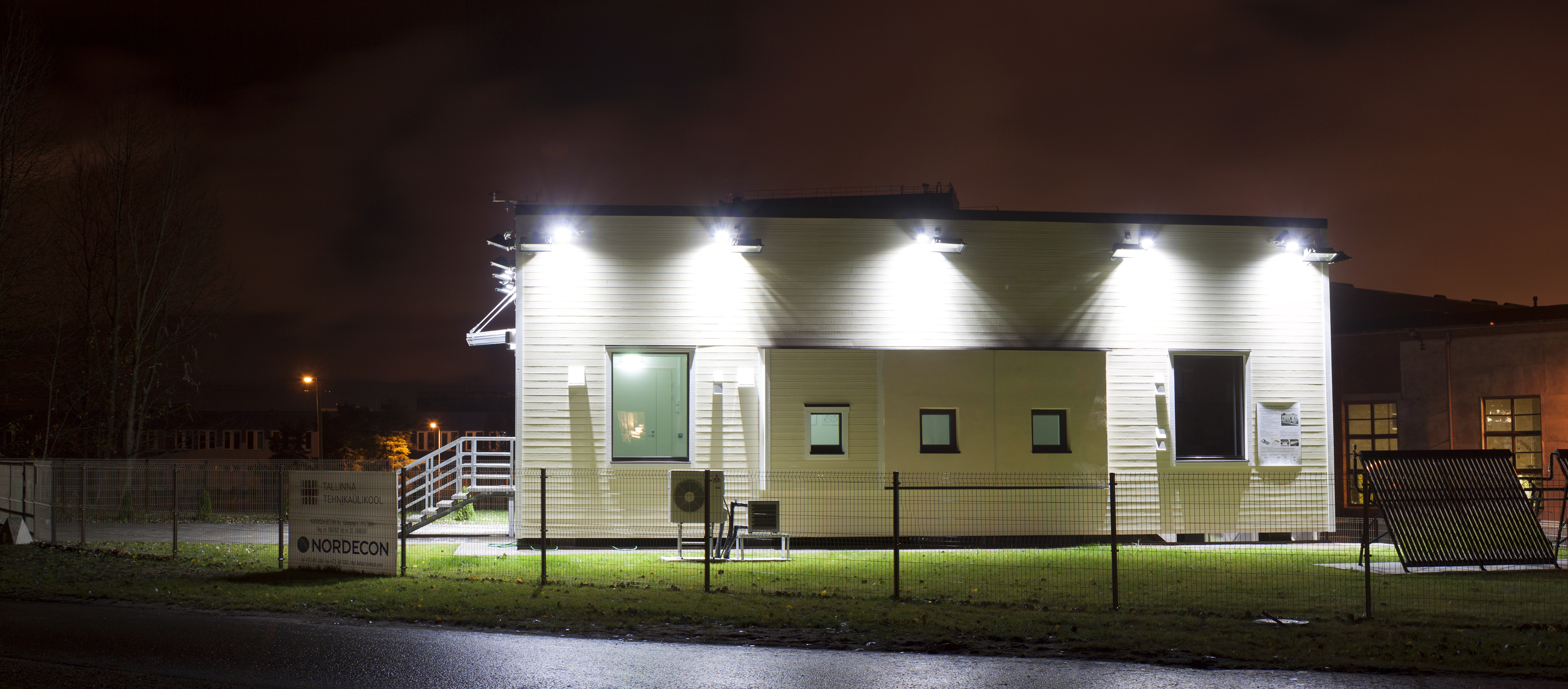
Net zero energy homes are buildings that have net zero energy consumption, meaning the total amount of energy used by the building on an annual basis is equal to the amount of renewable energy created on the site. These homes use technology such as heat pumps, high efficiency windows and insulation, and solar panels to reduce energy consumption and produce renewable energy. According to the National Renewable Energy Laboratory, the number of net zero energy homes in the US has increased by 30% in the past 5 years, with over 10,000 homes currently in operation. The development of net zero energy homes is encouraged by the desire to have less of an impact on the environment, and their expansion is encouraged by governments and organizations such as the US Department of Energy and the International Code Council. For example, the Zero Energy House in New Zealand is a highly efficient home that produces all of its own energy needs through a combination of solar panels and a wind turbine.
🎵 Origins & History
Origins paragraph — Net zero energy homes have their roots in the 1970s, when the first passive houses were built in Europe. These homes were designed to be highly energy efficient, using techniques such as superinsulation and passive solar heating and cooling. The concept of net zero energy homes gained momentum in the 2000s, with the development of new technologies such as solar panels and heat pumps. Today, net zero energy homes can be found all over the world, from the United States to Australia. For example, the Zero Energy House in New Zealand is a highly efficient home that produces all of its own energy needs through a combination of solar panels and a wind turbine. According to the Passive House Institute, the first passive house was built in 1979 in Darmstadt, Germany.
⚙️ How It Works
How it works — Net zero energy homes use a combination of energy-efficient design and renewable energy systems to reduce energy consumption and produce renewable energy. This can include features such as high efficiency windows and insulation, solar panels, and heat pumps. The goal is to produce as much energy as the home consumes over the course of a year, resulting in net zero energy consumption. According to the National Institute of Standards and Technology, a typical net zero energy home can reduce energy consumption by up to 70% compared to a traditional home. For example, the Net Zero Energy Home in California uses a combination of solar panels, a wind turbine, and high efficiency windows and insulation to produce all of its own energy needs.
📊 Key Facts & Numbers
Key facts — The number of net zero energy homes in the US has increased by 30% in the past 5 years, with over 10,000 homes currently in operation. The average cost of building a net zero energy home is around $200,000, although this can vary depending on the location and design of the home. Net zero energy homes can reduce energy consumption by up to 70% compared to traditional homes, and can also reduce greenhouse gas emissions by up to 50%. For example, the Net Zero Energy Home in California has reduced its energy consumption by 80% and its greenhouse gas emissions by 60%. According to the Environmental Protection Agency, the average American home produces around 14,920 pounds of carbon dioxide per year.
👥 Key People & Organizations
Key people — One of the key people involved in the development of net zero energy homes is Amory Lovins, a renowned energy expert and co-founder of the Rocky Mountain Institute. Lovins has been a leading advocate for the development of net zero energy homes, and has worked with governments and organizations around the world to promote the adoption of this technology. Another key person is Ed Mazria, an architect and founder of the Architecture 2030 organization, which aims to reduce greenhouse gas emissions from buildings by 50% by 2030. For example, the Zero Energy House in New Zealand was designed by architect Bob Berkebile, a pioneer in the field of sustainable design.
🌍 Cultural Impact & Influence
Cultural impact — Net zero energy homes are having a significant impact on the way we think about energy consumption and production. They are challenging traditional notions of what it means to be energy efficient, and are inspiring a new generation of architects, engineers, and builders to think creatively about sustainable design. According to the American Institute of Architects, net zero energy homes are becoming increasingly popular, with over 50% of architects reporting that they have designed a net zero energy home in the past year. For example, the Net Zero Energy Home in California has been featured in several architectural publications and has won numerous awards for its sustainable design.
⚡ Current State & Latest Developments
Current state — The current state of net zero energy homes is one of rapid growth and development. Governments and organizations around the world are investing in this technology, and new companies and products are emerging all the time. For example, the US Department of Energy has launched a new initiative to promote the development of net zero energy homes, and companies such as Tesla and SunPower are offering new products and services to support this technology. According to the International Energy Agency, the number of net zero energy homes is expected to increase by up to 50% per year over the next decade.
🤔 Controversies & Debates
Controversies — One of the main controversies surrounding net zero energy homes is the cost. While the long-term savings on energy costs can be significant, the upfront cost of building a net zero energy home can be prohibitively expensive for many people. Additionally, there are concerns about the aesthetics of net zero energy homes, with some people feeling that they are not as visually appealing as traditional homes. However, according to the National Association of Home Builders, the cost of building a net zero energy home is decreasing by up to 10% per year, making it more accessible to a wider range of people. For example, the Net Zero Energy Home in California was built for around $150,000, which is significantly lower than the average cost of a traditional home in the area.
🔮 Future Outlook & Predictions
Future outlook — The future outlook for net zero energy homes is bright. As technology continues to improve and costs come down, we can expect to see more and more net zero energy homes being built around the world. Governments and organizations are also investing in this technology, and new companies and products are emerging all the time. According to the International Energy Agency, the number of net zero energy homes is expected to increase by up to 50% per year over the next decade. For example, the US Department of Energy has set a goal of having 50% of all new homes built in the US be net zero energy homes by 2030.
💡 Practical Applications
Practical applications — Net zero energy homes have a wide range of practical applications. They can be used as single-family homes, apartments, or even commercial buildings. They can also be used in a variety of different climates and locations, from hot and sunny deserts to cold and snowy mountains. For example, the Net Zero Energy Home in Alaska is a highly efficient home that produces all of its own energy needs through a combination of solar panels and a wind turbine, despite being located in one of the coldest and darkest places on earth. According to the National Renewable Energy Laboratory, net zero energy homes can be built in any climate and can be designed to meet the specific needs of the occupants.
Key Facts
- Year
- 1970s
- Origin
- Europe
- Category
- sustainable-design
- Type
- concept
Frequently Asked Questions
What is a net zero energy home?
A net zero energy home is a building that has net zero energy consumption, meaning the total amount of energy used by the building on an annual basis is equal to the amount of renewable energy created on the site. For example, the Net Zero Energy Home in California is a highly efficient home that produces all of its own energy needs through a combination of solar panels and a wind turbine.
How do net zero energy homes work?
Net zero energy homes use a combination of energy-efficient design and renewable energy systems to reduce energy consumption and produce renewable energy. This can include features such as high efficiency windows and insulation, solar panels, and heat pumps. According to the National Institute of Standards and Technology, a typical net zero energy home can reduce energy consumption by up to 70% compared to a traditional home.
What are the benefits of net zero energy homes?
The benefits of net zero energy homes include reduced energy consumption, lower greenhouse gas emissions, and cost savings on energy bills. They can also provide a sense of security and independence, as they are not reliant on the grid for energy. For example, the Net Zero Energy Home in Alaska has reduced its energy consumption by 80% and its greenhouse gas emissions by 60%.
What are the challenges of net zero energy homes?
The challenges of net zero energy homes include high upfront costs, limited availability of renewable energy sources, and potential aesthetic concerns. However, according to the National Association of Home Builders, the cost of building a net zero energy home is decreasing by up to 10% per year, making it more accessible to a wider range of people.
What is the future of net zero energy homes?
The future of net zero energy homes is bright, with increasing investment and adoption around the world. As technology continues to improve and costs come down, we can expect to see more and more net zero energy homes being built. According to the International Energy Agency, the number of net zero energy homes is expected to increase by up to 50% per year over the next decade.
How can I build a net zero energy home?
To build a net zero energy home, you will need to work with an architect or builder who has experience with sustainable design and renewable energy systems. You will also need to consider factors such as climate, location, and budget. For example, the Net Zero Energy Home in California was built using a combination of solar panels, a wind turbine, and high efficiency windows and insulation.
What are some examples of net zero energy homes?
There are many examples of net zero energy homes around the world, from single-family homes to commercial buildings. For example, the Net Zero Energy Home in Alaska is a highly efficient home that produces all of its own energy needs through a combination of solar panels and a wind turbine, despite being located in one of the coldest and darkest places on earth.
What are the different types of net zero energy homes?
There are several different types of net zero energy homes, including passive houses, zero energy homes, and net positive energy homes. Each type has its own unique characteristics and benefits. For example, the Passive House is a design standard that aims to reduce energy consumption from homes by up to 90%.
How can I make my existing home more energy efficient?
There are many ways to make an existing home more energy efficient, including adding insulation, installing high efficiency windows, and using renewable energy systems such as solar panels. According to the National Institute of Standards and Technology, a typical home can reduce energy consumption by up to 30% by adding insulation and installing high efficiency windows.
What are the benefits of net zero energy homes for the environment?
The benefits of net zero energy homes for the environment include reduced greenhouse gas emissions, improved air quality, and conservation of natural resources. For example, the Net Zero Energy Home in California has reduced its greenhouse gas emissions by 60% and its energy consumption by 80%.
What are the benefits of net zero energy homes for the economy?
The benefits of net zero energy homes for the economy include cost savings on energy bills, job creation in the renewable energy sector, and increased economic competitiveness. According to the International Energy Agency, the net zero energy home industry is expected to create up to 10 million new jobs globally by 2030.